
Simple Herb Combinations That Make Beautiful Teas
By: Dawn Writes Co.
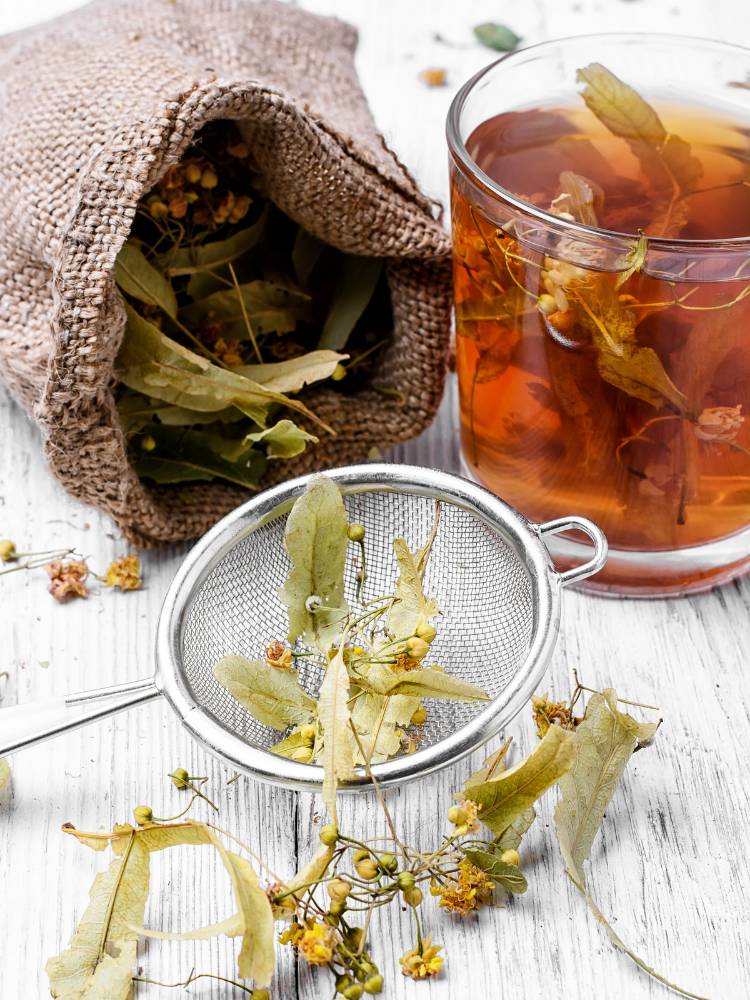
My first attempt at blending herbs for tea was not a success.
I had a lot of different herbs growing, a mug, and way too much confidence. I threw in some mint, some rosemary because it smelled good, some lemon balm, and a sprig of lavender. I figured more herbs meant more flavor.
What I got was a confused, slightly medicinal cup of something that nobody in my household would finish. My husband tried it out of politeness, then quietly went to make coffee.
Blending herbs for tea is simple, but it has logic. Once you understand that logic, you can create combinations that are genuinely delicious and that feel like they belong together rather than a random handful of whatever from the garden.
The Basic Blending Framework
Every good herbal tea blend has what I call a base, an accent, and sometimes a brightener.
The base is the main herb, the one that carries the blend. It’s usually the most prominent flavor and the largest proportion. Think mint, lemon balm, or chamomile.
The accent acts as a supporting herb that adds depth without taking over. It should complement the base, not compete with it.
Adding the brightener is optional. It helps to lift the whole blend and makes it feel alive. Lemon verbena, lemon thyme, or a bit of fresh ginger root are classic brighteners.
There was a lot of trial and error before I understood why some blends tasted like a compost pile, and others didn't.
You don’t need all three elements every time. Some of the best herbal teas are just one herb used well. But when you want to build something more complex, this framework gives you a starting point.
Three Blends to Try This Season
These are all combinations that I make regularly from my own garden—nothing exotic and nothing that requires unusual herbs. You likely already have most of these in your garden.
Blend #1 - Mint & Lemon Balm - The Classic Calm
This is my everyday tea — the one I make on autopilot.
The Blend: Three parts mint to 1 part lemon balm.
The mint brings the brightness and that characteristic cool freshness. Lemon balm softens it and then adds a gentle lemony sweetness underneath. Together they’re more interesting than either one alone. The mint is less sharp, and the lemon balm is less subtle.
When I Drink It: On those afternoons when I need a caffeine-free reset. It’s genuinely calming without being sleepy.
Tip: Peppermint makes this blend bolder and more invigorating, and spearmint makes it softer and sweeter. Try both and see which you prefer.
Blend #2 - Lemon Verbena & Mint - The Summer Refresher
If you’re growing lemon verbena, this blend will make you very glad you did.
The Blend: Two parts lemon verbena to 1 part spearmint.
Lemon verbena is one of the most intensely lemon-scented herbs, much stronger than lemon balm. When combined with the gentle sweetness of spearmint, you get something that tastes like summer in a cup — bright, citrus, and clean.
This one is especially good iced. Make it strong, pour it over ice, and add a slice of actual lemon if you have one. It’s the herbal iced tea I make for guests all summer, and it gets more compliments than anything else I serve.
Blend #3 - Tulsi & Lemon Balm - The Grounding Blend
This one is for those days when you need something that feels more substantial.
The Blend: Equal parts tulsi (holy basil) and lemon balm.
Tulsi has a complex and slightly spiced quality with notes of clove and pepper, and it’s warming in a way that’s hard to pin down. Lemon balm balances that warmth with its gentle citrus sweetness and keeps the blend from feeling too intense.
If you haven’t tried tulsi yet, you should really try growing it if your climate allows. It’s one of the most rewarding tea herbs in my garden and one of the most overlooked by beginners.
When I Drink It: Morning. It has a gentle energizing quality without any caffeine.
A Few Selective Blending Tips I’ve Learned the Hard Way
Start with basic ratios, then adjust. The ratios that I use are starting points. Your taste is different from mine. Make a small test batch, taste it, and adjust from there.
Keep a notes page. When you find a combination that you love, write it down. I've lost more good blends than I can count because I was sure that I would remember the ratio later. I never do.
Not everything goes together. Strong Mediterranean herbs like rosemary and sage are wonderful teas on their own, but they don’t play well with delicate florals like chamomile. Think about flavor families: citrus herbs together, mint-family herbs together, florals together, and Mediterranean herbs used solo or with each other.
Smell before you steep. Hold your blended herbs to your nose before you pour the water. If it smells harmonious and inviting, it’ll probably taste good. If something smells off or one herb is completely overpowering, adjust before you commit.
The best part about blending your own tea is that you can’t really fail permanently. If a combination doesn’t work, you learned something. Just try again with different proportions.