
Dealing with Spring Garden Challenges
(Pests & Weather)
By: Dawn Writes Co.
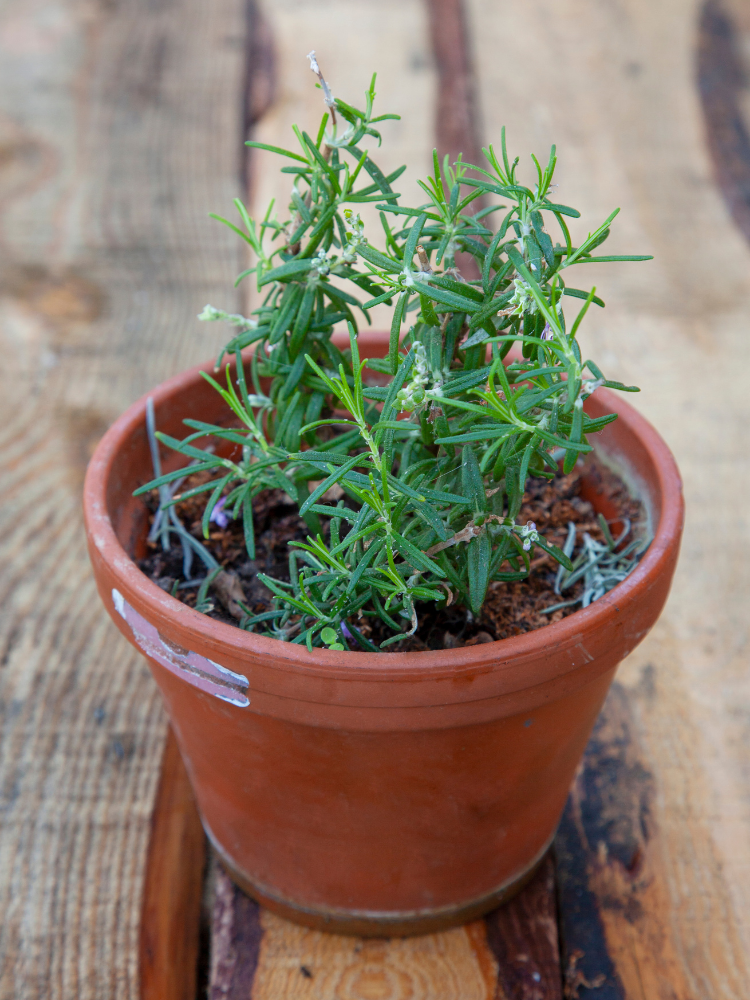
This morning I walked out to my herb garden and found my chamomile seedlings covered in aphids. Not just a few aphids, but a thriving civilization taking up residence on my plants.
I stood there in my pajamas, holding a cup of coffee, looking at the situation, and thought, "Well, this is gardening, and I need to figure this out."
If you’re hitting your first spring challenges this season, whether it’s pests, a surprise frost, slugs appearing out of nowhere, or just plants that look wrong and you can’t tell why, then this article is for you.
Here’s what I’ve run into this season and how I’m handling it.
The Aphid Situation
Aphids are tiny, soft-bodied insects that cluster on new growth and feed on the sap of the plant. They reproduce at an almost alarming rate. One week there are just a few, and the next week you have the situation I described above.
On my chamomile, they were clustered on the new growth just at the tops of the stems. Little pale green clusters of them.
Here’s what I did:
I started with a strong spray of water early in the morning, which knocked a lot of them off right there — aphids are weak fliers and can't easily get back onto the plant once they're dislodged. Spraying early also gave the plant time to dry out during the day.
While I was out there, I checked for ladybugs. They eat aphids, and if you've got them in your garden, the best move is just to leave them alone and let them work. I had a few, and they were doing their job.
The plants that still had significant populations after the water treatment got a round of insecticidal soap spray. You can buy this at any garden center, or make your own with a few drops of dish soap in a spray bottle of water. I coated the undersides of the leaves, where they hide, and repeated it every few days.
I didn’t panic, as I understand that aphids are common and manageable. Healthy, established plants will manage through an infestation. Seedlings are at greater risk, which is why I keep a close eye on any new plantings in the spring.
Slugs: The Night Shift Problem
Slugs are sneaky because they do their damage at night and hide during the day. You will know that you have them if your plants have ragged, irregular holes and you can’t figure out where they came from.
I found slugs almost immediately when I started planting. They love the cool and damp spring weather. They love hiding under anything: boards, pots, low leaves, and mulch edges.
A few things that actually work for me:
A diatomaceous earth powder, which is made from fossilized algae that is sharp at the microscopic level. Slugs do not like crossing it. I sprinkle it around the base of vulnerable plants. It has to be reapplied after it rains, which in spring means frequently, but it does work.
This may sound ridiculous, but it’s genuinely effective: beer traps. Bury a shallow container (like a tuna can) so the rim is at soil level, and fill it partway with cheap beer. The slugs are attracted to the beer, fall into the can, and drown. Check and empty every couple of days. I feel slightly bad about it, but it does work.
Try using copper tape around the rims of your container pots. Slugs don’t like crossing copper. It has something to do with the mild electrical charge. It’s not a cheap solution, but it does last for years.
I go around the garden and eliminate as much of their habitat as possible by removing boards, debris, and anything that creates a moist hiding spot near my herb beds. This alone makes a big difference.
The Late Frost That Almost Got Me
Here’s a painful story I’ll share so you don’t make the same mistake that I did.
Two weeks ago, I planted my lemon balm transplants and checked the forecast. Since I was expecting lows in the upper 40s all week, I relaxed and didn't cover anything. Then a cold snap moved in faster than the forecast predicted, and one night dropped into the upper 20s. I woke up to limp and frost-burned lemon balm.
They did survive. Lemon balm is tougher than it looks, and most of them recovered. But they were set back by at least a week, and the most damaged ones still look rough.
What I should have done was keep my frost cloth nearby and cover the new transplants for the first few weeks regardless of what the forecast said. All new transplants are more cold-sensitive than established plants because their roots aren’t yet anchored in the soil to buffer temperature changes.
Now, it doesn't matter what the forecast shows; I cover new transplants. It takes ten minutes, and it’s cheap insurance.
Weather Whiplash (The Real Challenge)
Let's talk for a minute about spring weather in general.
Spring can often feel like it’s not sure what it is supposed to do. We have a warm spell that made everything shoot up, followed by a cold snap, then three days of rain, then wind. The plants don’t know what to do and, honestly, neither do I.
A few things that I have learned about how to manage this:
Don’t fertilize during cold snaps. Fertilizing encourages new growth, and new growth is tender and very vulnerable to cold damage. I generally hold off on any fertilization when a cold stretch is in the forecast.
Healthy roots matter most. After a frost, a plant might look rough, but if the roots are healthy, the plant will generally recover. Resist the urge to pull something out if it looks bad after a frost. Give it more time before deciding.
Good drainage is your friend. Waterlogged soil during cold, wet weather is harder on plants than either cold or wet alone. If you have beds that tend to puddle, consider adding organic matter to improve drainage over time.
Give plants time to adjust. A seedling that goes from 72°F indoors to 45°F outside is going to look sad for a few days. That doesn’t mean it’s dying. Give it some time before making any decisions.
The Deer Situation (Because I Know Some of You Have This Problem)
I don't live in a high-deer-traffic area, but I've had enough deer visit to learn a few things the hard way.
What I've discovered is that deer strongly dislike aromatic plants. They tend to leave mint, lavender, rosemary, and sage alone. They love basil, tulsi, and young chamomile.
For my most vulnerable plants in spring, I recommend the following:
Individual plant covers, called cloches, made from plastic bottles with the bottom cut off, work well to protect individual seedlings. They also act as a mini-greenhouse effect for warmth. I save plastic bottles for exactly this purpose.
A simple drape of bird netting over a bed is often enough to deter deer, as they don’t like the feel of it on their faces (a gardener friend told me this, and I’ve found it to be true).
Hang a bar of scented soap in mesh bags near the garden or spray a mix of diluted hot pepper spray on the plants. Reapply after rain. These work inconsistently for me, but anything is better than nothing.
The Honest Truth About Spring Challenges
These are problems that happen in the garden. They are not failures.
Every experienced gardener I know has had aphid explosions, frost losses, slug devastation, and deer challenges. It's frustrating, but I've learned to work through it. Take notes on what worked, what didn't, and try the following year again.
The truth is that some plants won't make it, and something will eat something you loved. The weather tends to do unexpected things. But sometimes, a plant that you thought was finished comes back, and you'll harvest something beautiful.