
How To Make Iced Herbal Tea From Your Garden
By: Dawn Marciniak
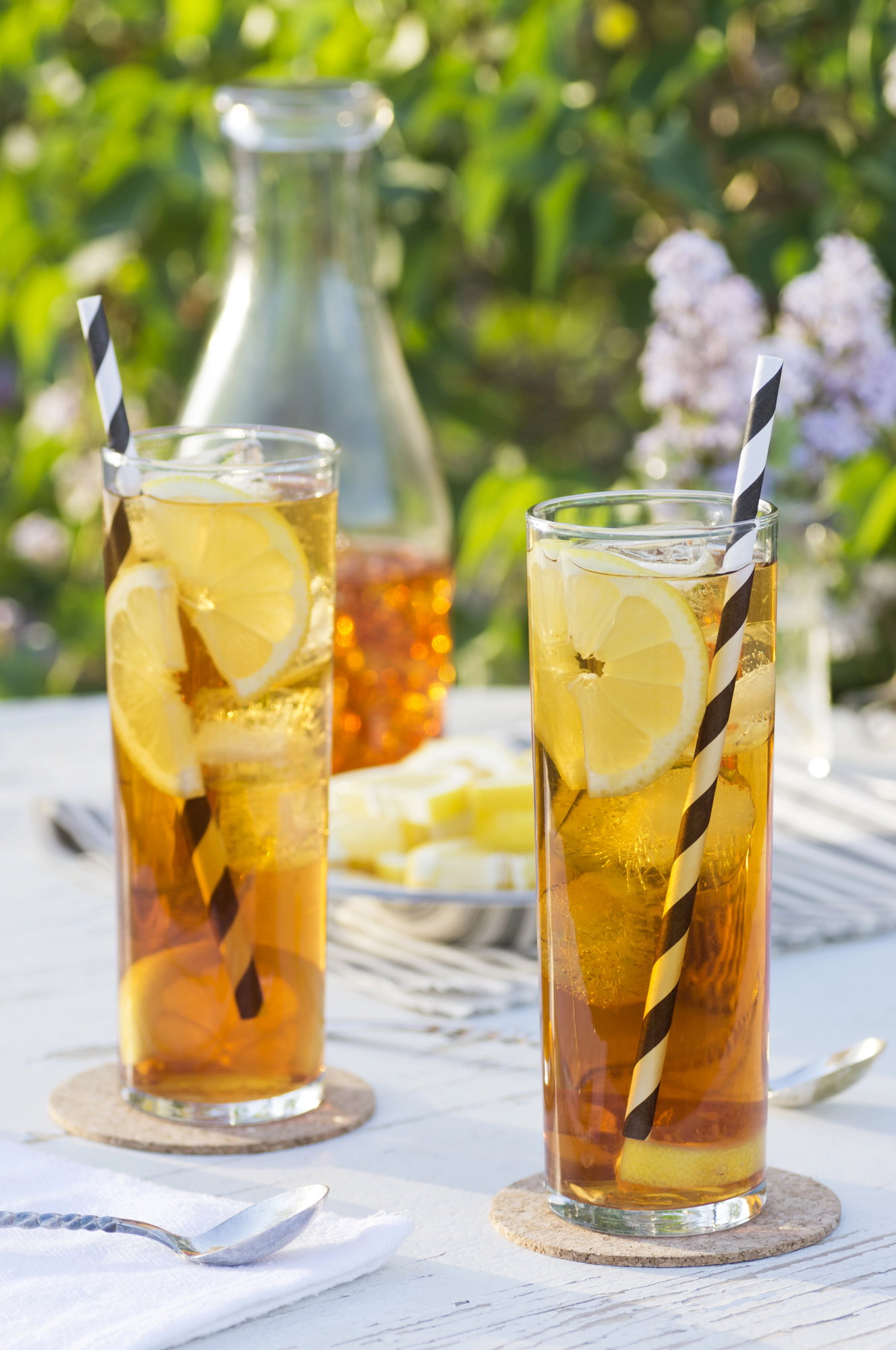
Somewhere around the second week of July every year, hot tea stops being appealing.
I still love it. I'll be back to it enthusiastically in September. But when the thermometer is pushing 90 degrees, and the humidity is doing something unreasonable, the idea of wrapping my hands around a hot mug loses its charm entirely.
This is when the iced herb tea season begins in my house. And it is genuinely one of my favorite parts of summer.
Iced herbal tea from fresh garden herbs is something completely different from the bottled stuff or even homemade sun tea from bags. It tastes as the garden smells. My family drinks it by the pitcher from July through September.
I'll show you exactly how I make it, both of the methods I use, and which herbs work best cold.
Method #1. Hot Brew then Chill
This is the faster method and the one I use when I want iced tea today rather than tomorrow.
You will want to start with a heatproof pitcher or a large mason jar, fresh herbs, just-boiled water, and time to chill.
For this hot brew, you will want to make your tea stronger than you normally would for a cup of hot tea. Use roughly double the amount of herbs that you would use for a hot cup. The ice and dilution from chilling will mellow it. I use about 2 tablespoons of fresh herbs per cup of water.
Steep for 8 to 10 minutes covered. The longer steep time combined with the extra herbs give you a concentrate that holds its flavor beautifully once fully chilled and poured over ice.
Strain out the herbs, let it cool to room temperature, then refrigerate until cold. Pour over ice to serve.
Preparation for the hot brew will take about 20 minutes, then 2 to 3 hours in the refrigerator.
This method should be used when you want iced tea the same day. It is also very good for more delicate herbs that benefit from controlled water temperature.
Method #2. Cold Brew
Cold brewing is my preferred method when I have the time to plan ahead. It produces a remarkably smooth, clear tea with no bitterness whatsoever. This works even with herbs that can turn slightly bitter with hot water and come out perfectly balanced when cold brewed.
You will want to place a generous handful of fresh herbs directly into a pitcher or large mason jar of cold water. I use about 3 to 4 tablespoons of fresh herb per 4 cups of water. You can skip the kettle completely.
Cover and refrigerate overnight or for at least 4 to 6 hours. The cold water slowly draws out the flavor without any of the compounds that cause bitterness in hot brewing.
Strain, serve over ice, and drink within 3 days.
The preparation for the cold brew will take about 5 minutes and then 6 to 12 hours of passive time in the refrigerator.
The best use for this method is when you are planning ahead, wanting to make large batches, or when you want exceptionally smooth results. When using herbs, such as mint and lemon balm, cold brewing works exceptionally well.
The Best Herbs for Iced Tea
Not all herbs translate equally well to cold. Here are the ones that shine:
Mint (any variety). The classic iced herb. Peppermint is crisp and cooling. Spearmint is sweeter and gentler. Both are extraordinary cold. My lemon verbena and spearmint blend is the most-requested drink in my household during the warm summer months of July and August.
Lemon Balm. Gentle, slightly citrus, and very approachable. One of the best choices for people who are new to herbal teas because the flavor is familiar and pleasant without being intense. This herb cold brews beautifully.
Hibiscus Flowers. If you are growing hibiscus, the dried flowers make a stunning deep ruby iced tea that's tart and refreshing. Hot brew method works best here. Cold brew takes longer, and the color is less vibrant.
Chamomile. Ice chamomile is more unusual but genuinely amazing: sweet, floral, and very calming. Beautiful with a slice of lemon or a small sprig of mint added to the glass.
Tulsi. Iced tulsi is warming in a way that sounds contradictory for a cold drink but actually works perfectly. That slightly spiced clove-like quality is interesting and complex over ice. One of my personal favorites.
My Favorite Summer Blends for Icing
The House Refresher. Two parts lemon verbena, 1 part spearmint. Cold brew overnight. Serve over ice with a fresh lemon verbena sprig. This is the one my family requests constantly.
Garden Lemonade. One part lemon balm, 1 part mint, and a squeeze of an actual lemon added when serving. Bright, citrus, and incredibly easy to drink.
Chamomile Calm. Pure chamomile flowers, cold brewed, served over ice with a thin slice of orange. Unexpectedly refreshing on a hot afternoon.
Tulsi Spice. Equal parts tulsi and lemon balm, hot brewed strong, chilled and served over ice. Complex, yet satisfying.
A Few Tips for Best Results
Don't add ice until serving. Keep your brewed tea in the refrigerator and pour over ice when you drink it. Storing tea over ice dilutes it as the ice melts.
Keep it refrigerated and drink within 3 days. Fresh herb teas don't contain preservatives and will develop off-flavors after a few days. Make what you will drink and make it fresh regularly.
Sweeten if you like with honey simple syrup. Make a simple syrup by dissolving equal parts honey and warm water and stirring until combined. It mixes into a cold tea much better than straight honey or sugar.
Garnish generously. A spring of fresh mint, a slice of lemon, or even a few chamomile flowers floating on top. These small touches make a glass of iced herb tea feel genuinely special. Which it is, because you grew it.
The Part That Still Gets Me
I made a pitcher of iced lemon verbena and spearmint tea last week and left it in the refrigerator. My husband found it, poured himself a glass without asking what it was, and then came to find me specifically to ask what he was drinking because it was so good.
He grew up on tea bags. I don't think he expected a container plant to beat them.
©2026 - Dawn Writes Co. - All rights reserved.